


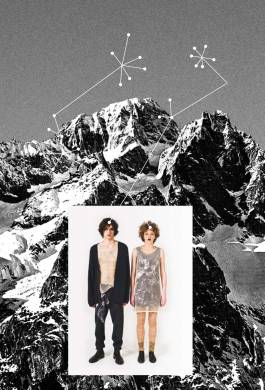
IL SISTEMA DEGLI OGGETTI per Cura Magazine
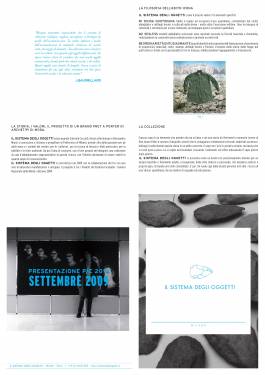
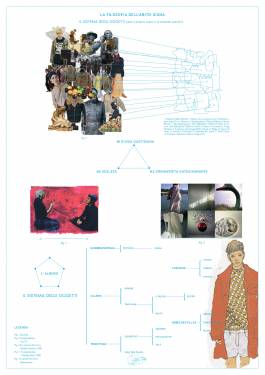
Flyer IL SISTEMA DEGLI OGGETTI
2010
CURALAB - MAGAZINE PAGE AS EXHIBITION SPACE
With the first Futurist manifesto, published a century ago, print media became the ideal platform for conveying ideas and aesthetic programmes aimed at revolutionising the face of the world. Starting with a sheet of newspaper, the Futurist revolution subsequently swept through every other field and channel of communication, creating an echo whose reverberations we still feel today and which confirms this first great artistic avant-garde as the true forerunner of trends, movements, strategies and concepts that have marked 20th-century art and art history. And not just art! The great drive of the Futurists was precisely to break down the barriers between art and life, between art and all other creative disciplines, among which fashion played one of the leading roles. Among the many anticipations, there is one that inspires this project: the publication of a unisex model that could/should have completely revolutionised the way we dress. It is an article/manifesto/project by Thayaht entitled “Taglio della Tuta” (Cutting the Jumpsuit) published in the insert of “La Nazione” in 1920. Not only is the garment/model proposed by Thayaht (the jumpsuit) revolutionary, but also the fact that it creates a set of instructions for a “do-it-yourself” project, a real paper pattern, according to which anyone who buys the newspaper can make their own garment, which was truly avant-garde at the time.
The combination of these two things: the use of mass media/print media to “showcase” artists' aesthetic programmes and the urgency to share them in a truly democratic way with the public, which is not limited to being a passive recipient, but rather is encouraged to interact and, if desired, “personalise” an artistic project/proposal, are the basis for a reflection that this project would like to initiate: what would happen today if a magazine were to act as an “exhibition space” and dedicate a few pages to an experimental project involving designers called upon to create wearable models that the public could make themselves, following the instructions provided?
In 1920, Thayaht published a design/pattern for the creation of the Tuta – an essential and affordable item of clothing that was intended to serve as a weapon against conventional fashion and “old-fashioned” tastes, as well as a perfect tool for making human presence in urban greyness more dynamic and colourful.
Freud said, “Sometimes a cigar is just a cigar”... just as sometimes a dress is just a dress. At other times, such as when the protagonists of great artistic movements ventured into the field of fashion, clothing, like any other artefact, functioned as a sort of prism through which a multitude of ideas laden with ethical and aesthetic values were reflected.
If clothing were a prism, what would it reflect today? Or rather, what content and aesthetic visions would contemporary designers whose work is truly cutting-edge project onto a specific model? Would they be willing to explore the ethical and aesthetic renewal that the contemporary situation demands, and then, would they also be willing to devise a “fashion statement” and share it with a wide audience?
The project starts from these premises, seeking to experiment with a mode of realisation that lies somewhere between the editorial logic of a magazine and the curatorial logic of an exhibition space.
The system of objects
[Caterina Coccioli, Anna Lottersberger and Alessandro Manzi]
The relationship between the individual and society evolves and changes over time, just as the function of certain objects changes... When Baudrillard reflected on these dynamics, he did not imagine that even the title of his book would change/multiply its referents.
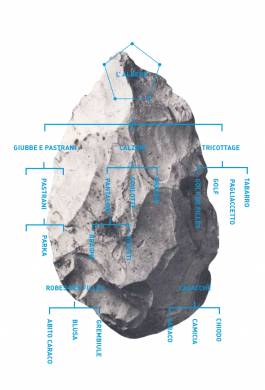
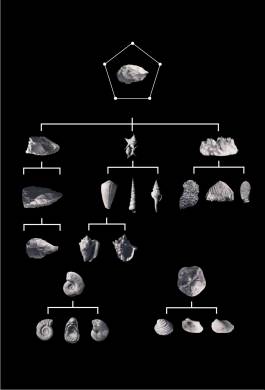
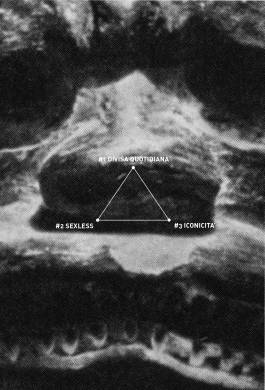
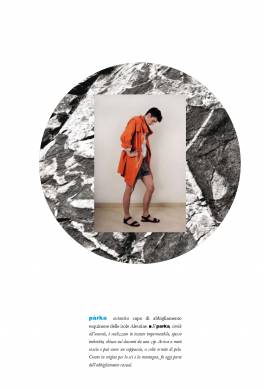
Now “The System of Objects” also stands for a fashion brand, the result of a collaboration between young creatives: Caterina Coccioli, Anna Lottersberger and Alessandro Manzi, who, inspired by Baudrillard himself, create a new grammar of dressing, combining and declining iconic garments, everyday “uniforms”, symbolic clothes, all in a “sexless” and “no-season” way.
They also invite us to reflect on the multiple meanings that the word “collection” takes on in different vocabularies. In the most generic sense, it is synonymous with a choice, a meticulous search for pre-existing objects, behind which lies a desire for completeness and timelessness; in fashion, it is the result of a creative gesture, the materialisation of an idea predestined to last no more than a season.
But it could also take on other meanings in a vision of fashion that eschews ephemerality, as this project and the vision proposed by the “system of objects” seem to suggest.
IL SISTEMA DEGLI OGGETTI per Cura Magazine
Flyer IL SISTEMA DEGLI OGGETTI