
CLEMENS THORNQUIST: WE REALLY NEED TO TAKE CARE OF OUR FIELD'S DEVELOPMENT, BECAUSE NO ONE ELSE IS GOING TO DO IT
Dobrila Denegri: Clemens, I was fortunate to meet you through Linda Loppa in 2015 when she organised the IFTI conference at Polimoda... I still remember you explaining your approach to being creative and pushing ideas beyond conventional fashion-making. Speaking of fashion and critical thinking - is it something that can be taught? What is your perspective on criticality with your students?
Clemens Thornquist: In terms of critical passion, we were quite lucky at the Swedish School of Textiles. When I started there, there were already around 25 or 30 students, and they had a really critical voice and a critical perspective, questioning how we express ourselves in different ways.
That sparked the thought that we really need to take care of our field's development, because no one else is going to do it. So, building the foundation. I have spent a lot of time looking at the foundations. To the logical and epistemological ideas, and not just pragmatically, but looking into research methods and formats, and the formats of research. I've also been looking at some people who built the foundations of the institution as critical. We need to develop new methods for the sake of developing new methods, and we need to question definitions for the sake of questioning them, because sooner or later, the methods we use won't be effective. So, we need a toolbox.
DD: On what premises would you make your toolbox?
CT: My question now is basically: Is there a way of developing our methods or formats of working to convince the people that need to be convinced about the democratic question of the freedom of expression? Is there anything we need to consider to ensure critical practice has an even stronger impact in both the private and public sectors?
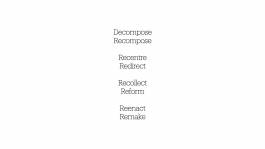
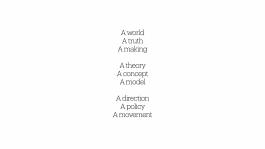
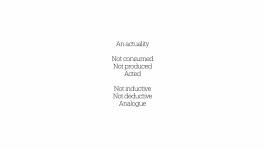
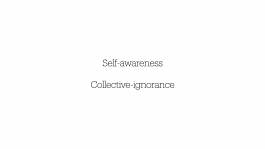
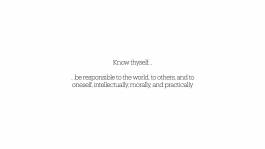
DD: I liked the way both you and Linda came up with slogans that invite us to be more experimental, unconventional, daring, and, most of all, free in our ways of conceiving, creating, or practising fashion. They remind me of the “instructions” from your book “Artistic Development in [Fashion] Design”.
Clemens, how can this type of approach be integrated into study programs more?
CT: While fashion and fashion design, on the one hand, are built on several central cultural functions that attract interest from many other design disciplines, fashion design methods have, on the other hand, been a much more underdeveloped area. The idea behind these methods and instructions is to open up the traditional way of doing fashion design by pointing out other possibilities for developing body-dress expressions and functions. This remains important, as I view the central skill of fashion design as one that involves exploring, creating, and giving form to ideas on the body, or in interaction with the body, based on skills in material processing, design methods, garment construction techniques, and sketching techniques, among others.
And suppose these skills are not always as respected in the industry as they should be, even when these methods or instructions are exercised. In that case, they build general creative confidence, a belief in one’s capacity to realise what one aims to do, something that is important for everyone when facing doubts or other challenging circumstances.